Vampire Monster: A Designer’s Real-Use Embroidery Review
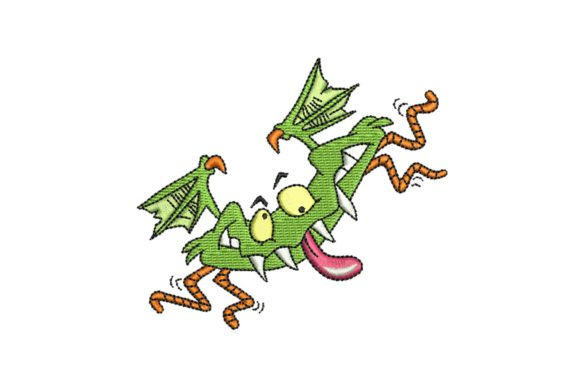
When I first opened the Vampire Monster machine embroidery file from Ron Leishman’s Toonaday collection, I admit I smiled. This is not your typical Halloween vampire. The title says it all: “more than a vampire green like a monster.” You get a creature that blends classic fang-bearing lore with a playful, cartoonish monster vibe—complete with a green complexion that makes it stand out from every black-caped Dracula design on the market. As someone who has stitched hundreds of holiday-themed projects for clients and my own shop, I know a design that can either sell itself or sit in a folder. Vampire Monster has the kind of immediate personality that makes me want to test it on real fabric and see how it performs under a needle.
This review comes from actual hands-on machine time. I prepped a medium-weight canvas tote bag, a cotton-blend sweatshirt, and a few test swatches to truly gauge how this embroidery file holds up in production. If you are an Etsy seller, craft business owner, or just a maker who loves turning digital designs into finished products, here is what I found.
First Impressions: Mood, Shape, and Visual Personality
Vampire Monster immediately reads as approachable Halloween fun. The green skin gives it a slightly eerie but not frightening presence, which opens up a wider market than a standard horror-themed vampire. Kids, adults who prefer whimsical decor, and even customers looking for something offbeat for a holiday party will likely respond to this character. The design has a clear silhouette—broad head, pointed ears, visible fangs, and a cape-like shape that frames the face. That strong outline means it will read well even at modest sizes, which is a critical factor when you are stitching onto a cap front, a small tote pocket, or a baby-sized onesie.
The detail level sits comfortably in the middle range. There are enough stitch elements to give the monster texture and dimension, but not so many that you lose clarity on textured fabrics or at smaller hoop sizes. I noticed right away that the eyes and mouth have distinct shapes that will hold up well in satin and fill stitches. The cape area uses a broader fill, which helps anchor the design visually. If you are creating an embroidered patch or a standalone applique piece, this kind of balanced composition is exactly what you want.
How This Design Performs on Real Products
I started with a custom tote bag project. The medium hoop accommodated Vampire Monster comfortably, and the design centered nicely on the bag front. Because the tote was a lighter beige cotton, the green and dark purple thread choices popped clearly. I used a medium-weight cutaway stabilizer, which I always recommend for designs that combine fill and satin stitches on a bag that will see regular use. The result was crisp. The fangs, which could easily become a messy stitch blob in a lesser file, held their shape and the points stayed sharp.
Next, I moved to a sweatshirt embroidery test. Sweatshirt fleece can be tricky because the nap hides fine detail. Vampire Monster handled it well. The broader fill areas gave the design enough visual weight to sit on top of the fleece without sinking in. I would suggest using a tear-away stabilizer topped with a water-soluble topper on fleece to keep the stitches from burying into the fabric. The green monster face really stood out against a heather grey backdrop, and I could see this being a strong seller for fall apparel.
I also ran a test on a cap curved surface. Caps demand designs that can distort gracefully. The vampire’s face is round and compact enough that it did not warp badly when hooped on a cap frame. The cape shape helped fill the curved space without leaving awkward negative gaps. If you are planning to sell finished hats or offer custom cap embroidery, this design is a solid option for the Halloween season.
For an embroidered patch, I used a heavier stabilizer and a dense satin border. The patch came out clean and the monster character retained all its personality. Patches are a great way to sell Vampire Monster as a standalone product or as an add-on for tote bags, jackets, and backpacks. The design’s rounded shape makes it easy to cut and sew onto patches without weird corners.
I also tested it on a pillow cover and a kitchen towel. The pillow cover, made of cotton canvas, showed the stitching clearly and the design felt substantial enough to work as a decorative accent. The kitchen towel test reminded me why you need to check stitch density before stitching on thin fabrics. The design ran fine, but I would recommend a lighter stabilizer and possibly reducing the density slightly if you plan to stitch on tea towels or other lightweight goods. Every fabric type changes how the final piece looks, and Vampire Monster is versatile enough to adapt if you take the time to test.
Where to Use This Design Carefully
No design is perfect for every surface, and Vampire Monster has a few boundaries worth noting. On very small hoop sizes—think mini hoops or tiny cap fronts—you may lose some of the facial detail. The eyes and mouth are distinct but small. If you shrink the design below about three inches, the fangs and eye highlights might start to blend. I recommend keeping it at a medium to large size for best results.
Textured fabrics like heavy fleece, sherpa, or boucle can also cause issues. The fill stitches may appear slightly uneven if the fabric surface is not smooth. A good water-soluble topper helps, but you will still want to test a swatch before committing to a bulk order. Stretchy fabrics such as t-shirt knits require a stabilizer that prevents puckering around the fill areas. I suggest using a cutaway stabilizer with a light tack spray on stretchy materials to keep the design from distorting.
Dark fabric is another consideration. The green monster skin is relatively light, so you will want to test thread colors against a black or navy background. A white or light yellow underlay can help the green pop, but that adds a color change. If you are running a production run with limited thread changes, you may want to stick to lighter or mid-tone fabrics for this design. The cape area uses darker tones, which can disappear on very dark fabric unless you adjust the thread palette.
Visual Appeal, Product Value, and Customer Trust
What makes Vampire Monster valuable for a small shop or Etsy seller is its giftability. A customer looking for a Halloween-themed personalized gift—say, a custom embroidered tote for a teacher or a sweatshirt for a niece—wants something that feels fun but not scary. This design sits perfectly in that sweet spot. It is clearly Halloween, but it is friendly. That expands your customer base beyond hardcore horror fans to include parents, gift buyers, and even people hosting fall parties.
When I created a printable mockup for my shop listing using Vampire Monster, the green face immediately drew attention. In product photos, the design reads as bold and crafted. Shoppers can see the stitch detail, which builds trust that they are buying a high-quality handmade product rather than a cheap heat-transfer. If you sell digital embroidery files, a well-presented mockup with this design will likely get clicks because the monster character has a recognizable, slightly quirky personality that stands out in a sea of generic bats and pumpkins.
Brand consistency also benefits from a design like this. If you are building a Halloween collection for your craft business, Vampire Monster fits alongside other whimsical characters without clashing. It does not rely on overly complex shading or tiny lettering, so your finished products will look consistent from one run to the next. That reliability keeps customers coming back.
Practical Designer Notes Before You Stitch
Before you load the embroidery file onto your machine, here are a few notes I always give to fellow designers and shop owners:
- Test on scrap fabric first. I cannot overstate this. Every machine, thread brand, and fabric type behaves differently. Run a test stitch on a fabric similar to your final product so you can see how the greens, purples, and blacks actually look together.
- Check thread color contrast. The green monster face against the darker cape and background areas needs enough contrast to read clearly. If you swap thread colors or use a different brand, test the combination before stitching on a customer’s item.
- Review stitch density. If the file feels too dense for your fabric—especially lightweight or thin material—either reduce density in your software or switch to a lighter stabilizer. Dense fill areas on a delicate fabric can cause puckering.
- Confirm hoop size. Make sure your hoop can accommodate the design at the size you intend. Vampire Monster fits nicely into a medium hoop, but always measure before starting.
- Inspect small details. Zoom in on the fangs and eyes in your embroidery software. Check that the satin stitches have clean angles and that the fill areas do not have unintended gaps. If the file needs minor edits, make them before you stitch.
- Test in black and white mockups. A greyscale preview can show you where the design relies on color contrast. If it looks muddy in black and white, you may need to adjust your thread choices.
- Compare light and dark fabric backgrounds. Stitch a sample on both a light and a dark fabric so you understand how the design behaves in different contexts.
- Use proper stabilizer. For most woven fabrics, a medium cutaway stabilizer works well. For knits, add a topper. For patches, a heavy tear-away or cutaway is best.
- Check licensing before selling. Since Vampire Monster comes from Ron Leishman’s Toonaday.com, review the usage terms carefully before using the design in commercial embroidery projects or selling finished products. Licensing terms vary, and as a responsible maker, you want to be sure you have the rights to use the file in your specific business model—whether that means stitching onto apparel for clients or selling digital versions of the design itself.
- Confirm file format compatibility. Ensure the embroidery file format you receive is compatible with your machine. Most reputable sellers provide multiple formats, but if you are unsure, ask before purchasing.
Final Thoughts on Vampire Monster for Your Embroidery Projects
After spending several days stitching Vampire Monster onto different substrates, I can say this design earns a spot in my active Halloween rotation. It has clear commercial potential for custom apparel, tote bags, sweatshirts, baby onesies, caps, aprons, pillow covers, tea towels, and even holiday gifts. Its playful monster personality appeals to a broad audience, and the stitch structure is robust enough for production work.
For Etsy sellers, small shop owners, and creative entrepreneurs, this design gives you a differentiated Halloween product that does not rely on the same tired bat-and-spider motifs. It feels fresh, handmade, and intentional. Your customers will notice the difference between a generic machine embroidery design and one that has character. Vampire Monster has character in spades.
Of course, as with any digital embroidery file, your results depend on your machine, your materials, and your prep work. Test it, tweak your stabilizer, choose your thread palette carefully, and you will have a finished product that looks professional and sells itself. That is the kind of design I am happy to recommend to anyone building a craft business or simply looking for a fun project that actually stitches well.
If you are planning your Halloween embroidery lineup, add Vampire Monster to your list. Just remember to check those thread colors against your fabric and always stitch a sample before going into full production. Your future customers will thank you.