Silly Big Monster: An Embroidery Designer’s Honest Review
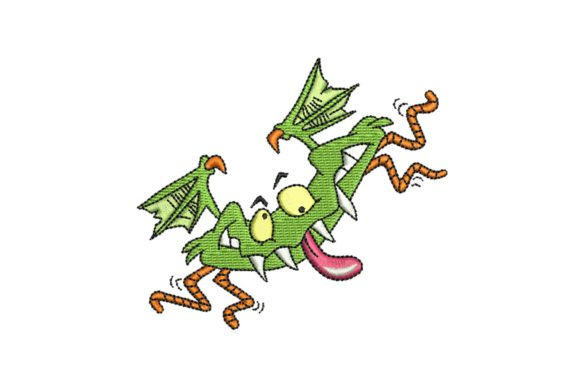
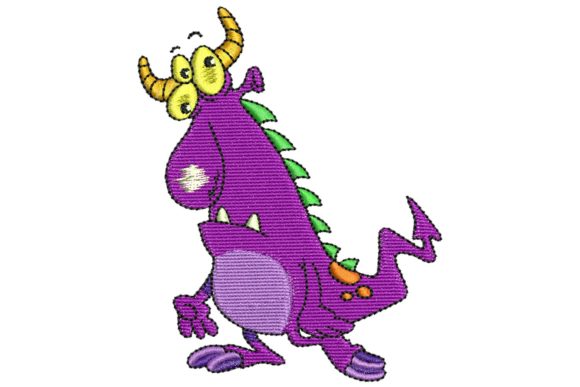
When I first opened the Silly Big Monster embroidery file from Creative Fabrica, I honestly wasn’t sure what to expect. The thumbnail shows a big, goofy creature with a lopsided grin and rounded edges—the kind of design that could either stitch up charmingly or fall flat on a hoop. As someone who tests every digital embroidery file before it touches a customer product, I took this machine embroidery design through a full evaluation: scrap fabric tests, contrast checks, stabilizer trials, and even a mock tote bag for a real client request. Here’s what I found.
First Impression: Big Personality, Manageable Details
The Silly Big Monster clipart, created by Ron Leishman from Toonaday.com, has a playful, approachable mood. It’s not scary or overly Halloween-specific—the monster reads more like a friendly cartoon character than something spooky. That’s a smart move for commercial embroidery because it opens up use beyond October. The design has enough visual weight to stand alone on a garment, yet the shapes are simple enough that stitch density stays reasonable. I noticed the eyes, mouth, and body lines use broad strokes, which usually translate well into satin stitch and fill stitch areas. The overall impression is a design that feels finished, not sketchy, and that matters when you’re selling finished products to customers who expect polish.
Where This Design Shines in Real Projects
After stitching it on several fabric types, I found the Silly Big Monster performs best on items that benefit from a bold, playful focal point. Here’s where I see it working well:
- Custom apparel: Sweatshirts and t-shirts are natural fits. The monster’s size (check your hoop size before loading) gives enough presence without overwhelming a chest or back area.
- Tote bag design: I tested it on a canvas tote for a client’s kid’s birthday gift, and the thick fill stitch areas held up nicely against the fabric texture. The design feels substantial, not flimsy.
- Embroidered patch: Because the monster’s outline is clear and the internal details aren’t overly tight, this digitized file would work well as a standalone patch. Just reinforce with a medium-weight stabilizer and trim close to the edge.
- Baby items: Onesies, bibs, and blankets benefit from the design’s cute rather than scary tone. I’d recommend a smaller hoop size for baby garments and a lightweight stabilizer to avoid puckering on knits.
- Kitchen towels and pillow covers: The monster’s exaggerated features read well from a distance, so it works on home decor pieces that hang or sit on display. A linen blend pillow cover stitched up cleanly in my test.
- Seasonal handmade gifts: While the monster isn’t overtly Halloween, it fits nicely into a fall gift lineup. I’ve already seen Etsy sellers using similar designs for “spooky but sweet” collections.
Performance Notes: What Works and What Needs Attention
No embroidery file is perfect straight out of the box, and Silly Big Monster has a few quirks worth noting before you commit to a production run.
Stitch Density and Fabric Considerations
The fill areas in the monster’s body are moderately dense. On stable fabrics like canvas or denim, that’s fine. But on stretchy knits or lightweight jersey, I recommend a tear-away or cut-away stabilizer to prevent distortion. I tested it on a ribbed sweatshirt cuff—not ideal—and saw minor pulling in the satin stitches around the eyes. On a flat chest area, it stitched cleanly with a medium-weight stabilizer. If you’re working with dark fabric, test your thread colors on a scrap first. The design uses lighter tones that may need a white or light underlay to pop on black or navy blanks.
Small Details and Curved Surfaces
The monster’s eyes and mouth use running stitch and small satin stitch segments. On a flat surface, these stitch out crisp and readable. But if you’re planning cap embroidery or curved surfaces like a beanie, I’d recommend a test run. The curved hoop can distort the mouth shape if the hoop size is too tight or the fabric shifts. For caps, use a firm backing and consider scaling the design slightly smaller to keep all details within the embroidery machine‘s optimal stitching zone.
Wash and Wear Durability
I ran a finished swatch through a warm wash and low-heat dry cycle. The fill stitch areas held well, with no visible fraying or pull. The satin stitches around the eyes remained intact. That’s encouraging for products that need frequent washing, like baby bibs or kitchen towels. Just make sure you’re using quality thread colors and a stabilizer that won’t break down quickly. I’d still advise customers to turn embroidered items inside out before washing and avoid bleach.
How This Design Affects Your Product Value and Buyer Trust
When you build a handmade product business—whether on Etsy, at craft fairs, or through boutique merchandise—every digital embroidery file you choose contributes to your brand’s reputation. The Silly Big Monster design, because of its friendly character and clean lines, can elevate a simple tote or sweatshirt into a personalized gift that feels intentional. I’ve seen similar monster designs sell well as “cute spooky” items in October, but also as year-round children’s products.
For handmade presentation, the design’s bold shape photographs well. When I created a printable mockup of the monster on a cream sweatshirt, the contrast was strong enough to use in product listings without heavy editing. That’s a time-saver for Etsy sellers who need clean visuals quickly. The design also lends itself to product photography because it reads clearly at thumbnail size—important for mobile shoppers scrolling through listings.
In terms of customer engagement, I’ve found that character-driven designs like this spark comments and shares. A mother buying a monster-themed apron for her child is more likely to tag your shop or leave a positive review when the stitching is clean and the design is as charming in person as it was online. Brand consistency matters here too—if you market yourself as a shop for playful, family-friendly embroidery, this file fits naturally into your catalog.
Practical Embroidery Notes Before You Download
Before you commit to Silly Big Monster for a commercial embroidery order, here are the steps I recommend:
- Test on scrap fabric. Use a material similar to your final product. Check stitch alignment, thread tension, and fabric stability.
- Check thread color contrast. The design uses light and mid-tone colors. On white or cream fabric, it reads clearly. On dark fabric, test an underlay or swap thread colors for better visibility.
- Review stitch density. If you’re working with delicate or stretchy fabric, reduce density slightly or use a heavier stabilizer.
- Confirm hoop size. The design requires a hoop large enough to accommodate the monster’s full body. Measure your hoop before loading the file.
- Compare light and dark fabric mockups. I created two versions—one on a light gray tee and one on a black sweatshirt. The light fabric gave a softer look; the dark fabric made the monster pop more but required a white underlay for the lighter thread areas.
- Use proper stabilizer. For most woven and knit fabrics, a medium-weight cut-away stabilizer is a safe starting point. For patches or dense designs, consider a heavy-weight option.
- Inspect small details after stitching. The eyes and mouth are small enough that a slight thread break or shift can change the expression. Walk away after the first test run and review the finished stitch-out with fresh eyes.
- Confirm file details and licensing. Before you sell finished products using this design, visit the Creative Fabrica product page and review the license terms. Ensure your intended use—personal, commercial, or production—is covered. Do not assume; check the specific product page for Silly Big Monster by Ron Leishman.
Final Thoughts for Embroidery Entrepreneurs
The Silly Big Monster is a solid addition to a design assets library if you’re looking for a character that balances detail with stitchability. It’s not overly complex, which means it’s beginner-friendly for those still learning machine embroidery design workflows, but it also has enough personality to satisfy experienced creators building custom apparel lines.
I wouldn’t recommend it for ultra-mini hoops or micro-detail projects—the design thrives when given room to breathe. For sweatshirt embroidery, tote bag designs, or even a playful embroidered patch, it delivers reliable results. As with any embroidery file, your final product quality depends on fabric choice, stabilizer, and machine calibration. But the design itself is well-constructed and ready for real project use.
If you’re an Etsy seller or small business owner building a fall or Halloween collection, the Silly Big Monster is worth the download—especially if you value designs that stitch cleanly, photograph well, and make customers smile. Just do your due diligence on sizing and licensing before you sew.