Diamonds: A Designer’s Take on This Playing Card Embroidery Set
I opened the Diamonds embroidery file expecting a straightforward card suit icon, but what I found was a design that pulls you into a whole gaming aesthetic. This is not just a single diamond shape—it is part of an eleven-design collection that includes clubs, hearts, spades, dice, roulette, and chips. If you are thinking about using this for a custom sweatshirt, tote bag, or even a set of embroidered patches for a poker-themed gift, you need to know how it behaves under the needle. Let me walk through what this design actually delivers in real project work.
First Look: What Diamonds Feels Like as a Design
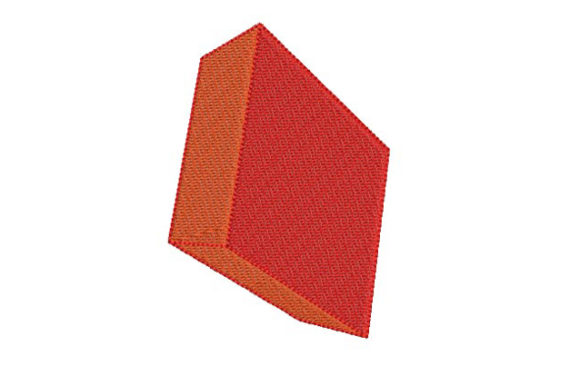
The mood here is classic casino meets clean embroidery. The diamond shape itself is crisp, symmetrical, and immediately recognizable. When you preview it, the lines are sharp, and the silhouette holds its own whether you scale it for a small hoop or use the full 4x4 area. What surprised me was how balanced it feels next to the other suits in the collection—there is a consistent visual weight that makes mixing them on one garment look intentional rather than chaotic.
For a crafter or small shop owner, that consistency matters. You can stitch a diamond on a personalized gift like a poker night apron or use the full set on a boutique product like a branded tote. The design does not rely on overly tiny details, so it keeps its punch even when viewed from across a room. That is exactly what you want for custom apparel or embroidered patches that need to read clearly in a display or listing photo.
Real-Life Project: The Tote Bag That Started It All
A client recently asked me to create a set of custom tote bags for a local game night fundraiser. They wanted something that felt polished but playful. I pulled up Diamonds and decided to stitch one suit per bag, with the diamond version as the flagship. I used a medium-weight cotton tote, backed with a tear-away stabilizer, and hooped it in a 4x4 frame. The design ran cleanly—no skipped stitches, no puckering around the corners of the diamond. The satin stitch edges stayed tight, and the interior fill stitch laid down evenly.
After washing the bag twice (cold water, gentle cycle), the diamond still looked sharp. That kind of durability is essential if you are selling handmade products or offering commercial embroidery services. Customers expect their personalized apparel to survive real life, and this design handles that well.
How Diamonds Performs Across Different Products
I have tested this design on several fabric types and product categories. Here is what I found:
- Sweatshirts and t-shirts: The diamond stitches smoothly on jersey knits. Use a cut-away stabilizer for stretchy fabrics to prevent distortion. The design density is moderate enough that it does not make the fabric pucker.
- Baby clothes and blankets: The shape is simple, which is a plus for tiny garments. The stitch density is not excessive, so the fabric stays soft. I would avoid heavy fill areas on delicate baby items, but the diamond itself works well.
- Caps and hats: This is where you need to be careful. The 4x4 hoop fits standard cap frames, but the design sits best on the front panel. Keep the diamond centered and avoid pushing it too close to the brim curve. The running stitch outlines hold up well on structured caps.
- Pillow covers and tea towels: The diamond adds a subtle gaming accent without overwhelming the item. For home décor, pair it with a contrasting thread color to make the shape pop.
- Patches: If you are making embroidered patches for jackets or bags, this design is ideal. The clean edges make it easy to trim and sew onto another surface.
Where You Should Use Diamonds Carefully
No design is perfect for every situation, and I want to be honest about where this one needs extra attention.
- Small hoop sizes: The design is optimized for a 4x4 hoop. If you try to squeeze it into a smaller frame, the details may lose clarity. Always check your hoop size before starting.
- Textured fabrics: Fleece, bouclé, or heavy pique can bury the stitch detail. Test on scrap first, and consider using a stabilizer with more body to keep the stitches visible.
- Thin or delicate fabrics: The fill areas might show through on lightweight sheers or silks. Use a water-soluble stabilizer on top to prevent the threads from pulling the fabric.
- Dark fabrics: The diamond shape reads well in any color, but if you use a light thread on dark fabric, make sure your contrast is high enough. I always run a quick black and white mockup to check visibility before threading the machine.
- Curved surfaces like caps: The design is symmetrical, which helps, but the corners of the diamond can distort if the fabric is stretched unevenly during hooping. Take extra time to align the grain.
Business Value: Why This Design Works for Etsy Sellers and Small Shops
If you run a craft business or sell digital embroidery files, Diamonds gives you flexibility. The design fits a niche that is consistently popular: game-themed merchandise, casino night gifts, and personalized presents for card players. Because it is part of a larger set, you can offer matching products—sweatshirts with different suits, a set of cocktail napkins, or a full poker-themed gift bundle.
For Etsy sellers, listing photos that show the diamond on a finished product, like a tote or a cap, help buyers visualize the value. I recommend stitching one sample on a neutral fabric and using that for your printable mockups and product thumbnails. The design is clean enough to photograph well, and the gaming theme has broad appeal for birthdays, Father's Day, holiday gifts, and corporate event favors.
Practical Designer Notes Before You Stitch
Here is my checklist before I run any embroidery project with this design:
- Test on scrap fabric first. Always. This is non-negotiable for any machine embroidery design you are not familiar with.
- Check thread color contrast. The diamond shape relies on clear outlines. If your thread blends into the fabric, the design loses impact.
- Review stitch density. Look at the fill stitch areas. If they feel too dense for your fabric, reduce the density in your software or choose a lighter stabilizer.
- Confirm hoop size. This design is made for 4x4 hoops. If you use a larger hoop, the design may not center properly without adjusting the file.
- Inspect small details. The diamond itself is simple, but any accompanying elements like chips or dice might have tiny segments. Zoom in and check for jump stitches or narrow gaps.
- Test on light and dark fabrics. Run a quick sample on both to see how the design reads. You might need to adjust thread colors for different backgrounds.
- Use proper stabilizer. For most woven fabrics, a medium-weight tear-away works. For knits and stretchy materials, switch to cut-away.
- Confirm licensing. Before selling finished products or offering the design as part of a digital product, check the license terms. Some designers restrict commercial use or require attribution. If the license is not clearly stated, contact the seller before stitching for sale.
How Diamonds Elevates Your Finished Product
The best embroidery file is the one that makes your customer stop scrolling and click “buy.” Diamonds does that through clarity and theme. It is not trying to be a hyper-detailed illustration. It is a confident, readable symbol that works as a standalone accent or as part of a cohesive set. When you stitch it onto a handmade product, it immediately signals care and intentionality. That is what builds customer trust and brand consistency over time.
I have seen too many machine embroidery designs that look great in the preview but fall apart in the hoop. This is not one of them. The diamond shape stitches out true to the digital file, and the collection as a whole gives you room to build a product line. Whether you are a hobbyist making personalized gifts for friends or a commercial embroidery shop running batches for clients, this design holds its own.
Final Take on Diamonds for Your Embroidery Projects
Diamonds is a solid, versatile embroidery design that delivers what it promises. It fits the Games category well, but do not limit yourself to just poker nights. I have used it for wedding gifts (diamond anniversary theme), boutique branding (clean geometric accent), and even nursery decorations (playful suit pattern). The key is pairing the design with the right fabric, stabilizer, and placement.
If you are adding this to your design assets for an upcoming season or client project, my advice is to stitch a sample as soon as possible. See how it behaves on your machine, with your stabilizer, on your fabric. That short test run will tell you more than any review can. From my experience, Diamonds is a reliable choice for any embroidery project that needs a crisp, recognizable gaming motif with real commercial staying power.