Funny Pumpkin Embroidery: A Designer’s Honest Take
The first time I opened the Funny Pumpkin embroidery file and previewed the stitch out, I felt a genuine smile. That is not something I say often when reviewing Halloween-themed designs. Many seasonal embroidery projects lean either too cutesy or too generic, but this design hits a specific sweet spot. It is playful without being childish, detailed without being fussy, and compact enough to work within a 4x4 hoop while still reading clearly on a finished product. After stitching it out across several fabric types and project formats, I want to share what works, what needs attention, and what kind of buyer or client this design truly suits.
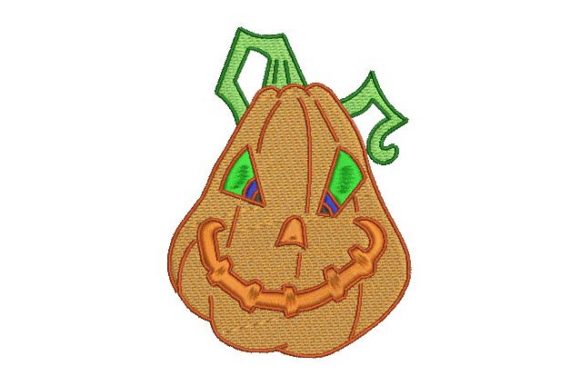
Funny Pumpkin is exactly what the name describes: a pumpkin with a humorous, slightly mischievous personality. The expression is not a standard jack-o-lantern grin. It feels more like a wink, a smirk, or a playful side-eye that lands well on children’s apparel but also works for adult projects that want a light seasonal touch. The shape is rounded and balanced, and the design uses a mix of fill stitching and satin stitch details that give it a clean, polished look after embroidery. There is enough going on visually to feel complete, but not so much that it crowds the small hoop space.
First Impressions and Visual Personality
When I evaluate a machine embroidery design for real project use, I look first at how the design reads in black and white on a screen. If a design loses its shape or becomes confusing in grayscale, it will likely struggle on dark or busy fabrics. Funny Pumpkin passes that test. The facial features are distinct, the pumpkin ridges are well defined, and the overall silhouette remains recognizable even without color. That is a strong sign that the design will hold up across thread color choices and background fabrics.
The mood is deliberate. This is not a scary pumpkin. It is not a generic smiling face either. It is the kind of design that makes someone pause and grin before they buy a personalized gift or custom apparel. For an Etsy seller or small shop owner, that emotional reaction is gold. Buyers do not just purchase embroidery. They purchase the feeling a design gives them. Funny Pumpkin delivers that in a small, stitchable package.
Real Project Scenarios: Where Funny Pumpkin Shines
I tested Funny Pumpkin on a cotton tote bag first. The fabric was medium weight, prewashed, and stabilized with a tear-away stabilizer. The design stitched out cleanly, and the fill stitches covered the area without gaps. The satin stitch around the edges gave the pumpkin a crisp boundary that made it pop against the natural fabric color. That tote bag ended up as a hostess gift for a fall gathering, and the recipient asked where to buy one. That is the kind of response any craft business owner wants to hear.
Next, I tried it on a toddler-sized sweatshirt. The fabric had some stretch, so I used a cut-away stabilizer and a light temporary adhesive spray to keep the fabric flat. Funny Pumpkin handled the slight movement well. The stitch density did not cause puckering, and the design held its shape after a wash and dry cycle. For children’s apparel, durability matters. Parents will not buy a second time if the embroidery distorts after laundry. This design passed that test on both cotton and cotton-poly blends.
I also stitched it as a standalone embroidered patch. Using a twill fabric base and a water-soluble stabilizer top layer, the design produced a clean patch that I trimmed and heat-sealed. The satin stitch border worked perfectly for edge finishing. Patches are a strong product category for craft fairs and Etsy shops. They require low material investment and high perceived value. Funny Pumpkin is well suited for that format because its 4x4 hoop size keeps production efficient, and its playful look appeals to both kids and adults who want a quirky Halloween accessory.
Apparel and Product Ideas That Work
Based on my stitching tests, here is where Funny Pumpkin performs best in real projects:
- Children’s t-shirts and onesies – The design fits easily on fronts, pockets, or back shoulders. Choose bright thread colors like orange, gold, or lime green to keep it kid-friendly.
- Sweatshirts and hoodies – Works well as a chest or sleeve accent. Use a medium weight stabilizer to prevent stitch distortion on fleece.
- Tote bags and tea towels – Great for fall market merchandise. The design reads well on natural linen and cotton dobby.
- Pillow covers and throw blankets – Adds a seasonal touch without overwhelming the product. Pair with a simple border or leave it standalone.
- Baby bibs and burp cloths – Small enough for the limited space on baby items. Use a soft stabilizer and thread colors that contrast with the fabric.
- Caps and beanies – The 4x4 hoop size fits most cap front panels. Test on curved surfaces with a stiff stabilizer to avoid design shifting.
- Aprons and kitchen textiles – Works on apron bibs or pocket areas. The playful look suits both home bakers and professional kitchen staff during the holiday season.
Where to Use Caution with This Design
No embroidery design is perfect for every surface, and Funny Pumpkin has some limitations worth noting before you commit to a production run.
The design is optimized for a 4x4 hoop. That means small details, especially around the facial features, require careful stabilization. On thin or delicate fabrics like silk, rayon, or lightweight jersey, the stitch density may cause pulling or distortion. If you plan to stitch on stretchy knits, use a cut-away stabilizer and a ballpoint needle. Test on scrap fabric first, especially if you are running a batch of custom apparel for a client.
Dark fabric is another consideration. Funny Pumpkin has defined shapes, but if you stitch it in dark orange on a black or navy background, the contrast may drop too low for the face to read clearly. I recommend light or medium tonal thread colors on dark fabric, or a white or cream underlay to create separation. You can also use a satin stitch outline in a contrasting color to define the edges.
The design is not well suited for heavily textured fabrics like bouclé, chenille, or thick fleece. The fill stitches may sink into the texture and lose their crisp appearance. If you love the design and want to use it on textured material, consider turning it into an applique design by cutting fabric pieces and layering them before stitching. That approach adds dimension and avoids the sunken look.
Stitch Density and Detail Observations
Based on my test runs, the stitch density feels balanced for the size. It is not overly dense, so the fabric does not become stiff, but it is full enough that the design looks substantial. The satin stitch elements, particularly around the pumpkin ridges and the face outlines, are smooth and even when the machine is properly tensioned. I recommend running a test stitch on a fabric swatch before starting production, especially if you plan to sell finished products. A quick test lets you confirm thread color contrast, check for any stitch skipping, and ensure the design sits straight in the hoop.
If you are offering custom embroidery services, keep a few test samples of Funny Pumpkin on hand. Customers often want to see how a design looks in real life before placing an order. A stitched sample on a plain cotton square builds trust and helps them visualize the final product on their chosen garment or item.
Commercial Use and Licensing Considerations
Funny Pumpkin is described as a design for Halloween decorations and children’s apparel. Before you use it for commercial embroidery projects, confirm the licensing terms for the digital embroidery file. Some designers allow unlimited commercial use with purchase, while others require an extended license for selling finished products. If you are an Etsy seller or small shop owner producing custom apparel, make sure your license covers that use. It is a simple step that protects your business and respects the original designer’s work.
For designers creating digital product bundles, you may also want to check whether Funny Pumpkin is allowed in design collections sold as digital assets. If you are curating a seasonal pack for other embroiderers, verify that the license permits redistribution in that format. When in doubt, reach out to the designer directly. Most are happy to clarify.
Impact on Product Value and Buyer Perception
In my experience running a small handmade business, the embroidery design is the first thing a customer notices, and it is the last thing they remember. Funny Pumpkin creates a positive impression because it looks intentional. The design does not feel like a clip art outline converted to stitches. It feels drawn for embroidery, with appropriate stitch types and densities that reflect real machine stitching knowledge.
When customers see a finished product with Funny Pumpkin on it, they perceive higher quality. The clean edges, balanced fills, and readable face tell them that someone cared about the details. That translates into willingness to pay a premium price, repeat purchases, and word-of-mouth referrals. For craft business owners, that is the whole goal.
The design also works well in printable mockups for product listings. If you sell on Etsy or your own website, you can create digital previews showing Funny Pumpkin on a tote bag, onesie, or sweatshirt. That helps buyers imagine the design on their chosen product, which increases conversion rates. Just be sure to use the design in mockups according to your license terms.
Final Practical Notes for Embroidery Designers and Makers
Funny Pumpkin is a solid, usable embroidery design that performs well across common project types. It fits the 4x4 hoop comfortably, reads clearly at small sizes, and brings a playful seasonal mood without crossing into overdone Halloween clichés. Whether you are making personalized gifts for family, building holiday inventory for your shop, or fulfilling a custom order for a client, this design holds its own.
Before you stitch it into a final product, remember these steps:
- Test the design on scrap fabric that matches your final project material.
- Confirm thread color contrast against your chosen fabric background.
- Use the correct stabilizer for your fabric type and stretch level.
- Check the stitch density and adjust tension if needed.
- Verify your licensing rights for commercial or digital product use.
- Run a black and white mockup to ensure the design reads in grayscale.
- Inspect small details like the face and ridges for clarity after stitching.
Funny Pumpkin is not a design you will retire after one season. It has enough personality and flexibility to become a repeat performer in your embroidery project lineup. I plan to keep it in my active digital embroidery file collection for fall and Halloween orders, and I suspect any designer or small shop owner who gives it a real try will feel the same way.