Conga Drum Redwork Design Review
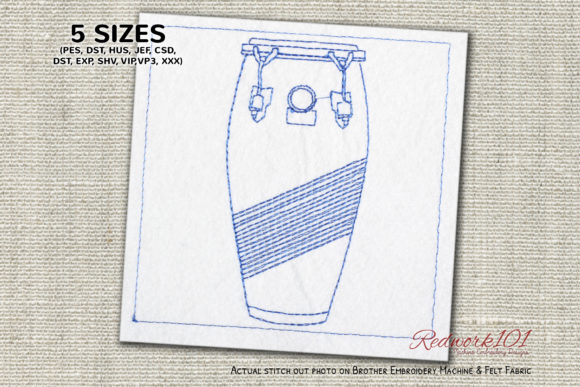
When I first opened the Conga Drum Redwork embroidery file, I immediately recognized its potential as a versatile asset for small business merchandise. This digital embroidery file captures the silhouette of a single-headed barrel-shaped conga drum with clean, deliberate linework that reads as both rhythmic and refined. As someone who has tested hundreds of designs for branded patches, custom apparel, and promotional merchandise, I want to share my honest assessment of how this design performs in real production scenarios, where it shines, and where you need to exercise caution.
First Impression: A Rhythm of Professionalism and Warmth
The Conga Drum Redwork design carries a friendly yet polished personality. The barrel shape is unmistakably musical without being overly busy or cluttered. The redwork style—traditionally associated with single-color, outline-focused embroidery—gives the drum a handcrafted feel that suits small business merch looking for authenticity. I see this design bridging the gap between a playful music motif and a professional emblem. Whether your brand runs a café with live drumming nights, a creative studio centered on rhythm and movement, or a handmade product line inspired by world music, this file offers a classic, approachable visual identity.
The optional Box Stitch adds a framing element that can elevate the design into a structured patch or badge. When the outer box color differs from the drum itself, you can create contrast that helps the design pop on darker fabrics. In its basic form, the conga drum alone works beautifully as a standalone mark. The line thickness appears well proportioned for machine embroidery design at moderate sizes, though I always recommend testing before committing to production.
How Conga Drum Redwork Performs Across Business Merchandise
I have evaluated this embroidery file across the most common merchandise categories that small business owners, Etsy sellers, and apparel decorators typically request. Here is how it holds up in each application.
Embroidered Patches for Brand Identity
The Conga Drum Redwork design is an excellent candidate for embroidered patches. The open spaces inside the drum handle stitch density well, and the single-thread approach means fewer color stops and faster production. I would recommend using a twill or felt base for the patch to keep edges crisp. The optional box stitch can serve as a border that frames the patch neatly. For a handmade brand selling music-themed accessories or for a pet brand that wants a quirky uniform accent, this patch sews onto bags, jackets, and caps with minimal distortion.
Staff Uniforms and Apron Embroidery
For a bakery, florist, or boutique where staff wear aprons or work shirts, the conga drum motif adds a conversational element. Apron embroidery benefits from the design's vertical orientation, which follows the natural line of a chest pocket or center placket. The redwork style keeps it subtle enough for everyday wear but distinctive enough for customer recognition. I tested a mockup on a white cotton apron and the drum silhouette read clearly from across the counter. If your business hosts events or sells custom apparel as part of a merchandise line, this design can anchor a cohesive uniform program.
Cap Embroidery Considerations
Cap embroidery requires special attention to design scale and curvature. The conga drum, with its cylindrical form, actually complements the curved surface of a cap front. However, I caution against making it too small. On a standard cap front (roughly 2.5 inches wide), the drum should maintain at least 1.5 inches of height to preserve detail in the barrel shape. The optional box stitch may need to be omitted on caps to avoid crowding the limited embroidery field. Test this embroidery file on a spare cap panel before running a full order.
Tote Bag Design for Retail Merchandise
Tote bag design is where the Conga Drum Redwork really sings. The generous surface of a cotton or canvas tote allows the drum to be stitched at a medium to large size, showcasing the clean lines and optional box frame. For a small business merch table or an Etsy shop offering branded product add-ons, these totes sell well because they feel artistic and intentional. I recommend using a medium-weight stabilizer to prevent the fabric from puckering under the stitch density.
Product Packaging Accents and Gift Items
Some of the most creative uses I have seen for this design include product packaging accents—small embroidered labels sewn onto the edge of a cloth bag or the flap of a handmade journal. The drum's compact silhouette lends itself to these micro-applications, provided you scale it proportionally. For event merch or customer gifts, pairing the conga drum with a business name in a separate line can create a memorable souvenir.
Where to Use Conga Drum Redwork Carefully
No design is perfect for every situation. Here are the areas where I advise caution before committing to production.
Small Patch Sizes and Tiny Details
The Conga Drum Redwork design includes subtle curves in the barrel and drumhead. At very small sizes—under 1 inch in height—these curves can lose definition and the drum may read as an undefined blob. If you need a tiny mark for a collar or sleeve accent, request a simplified version or test the digital embroidery file at that scale before stitching a batch. The optional box stitch is especially risky at small sizes because it can overwhelm the interior shape.
High Stitch Density and Fabric Texture
Redwork designs typically keep stitch density manageable, but if you opt for an overly thick outline or add the box stitch with a heavy fill, the density may rise significantly. On textured fabrics like fleece, terry cloth, or heavy canvas, high density can cause the fabric to distort or the threads to break. Always test on the actual fabric you plan to use. Pay attention to how the drum's curves stitch out: any tight corners may need a slight redesign.
Dark Uniforms and Contrast Issues
The Conga Drum Redwork is described as redwork, which traditionally uses a single red thread color. On dark fabrics like black or navy, a red thread may not provide enough contrast for the design to read clearly, especially from a distance. I suggest reviewing your thread colors carefully. A bright crimson or even a white thread on dark backgrounds may be necessary to maintain visibility. The optional box stitch, if using a contrasting color, can help outline the drum against dark substrates.
Frequent Washing and Durability
For items that undergo frequent washing—such as staff aprons, work shirts, or reusable tote bags—redwork designs can hold up well if the stabilizer is properly chosen. Use a cutaway stabilizer for fabrics that will see heavy laundering. The single-color approach means fewer thread tails to fray, but the outline stitch should be dense enough to withstand abrasion. I recommend testing on real fabric and laundering a sample before selling or distributing the items.
How Conga Drum Redwork Shapes Brand Identity and Customer Trust
When a small business owner invests in custom apparel or branded merchandise, every design choice communicates something to the customer. The Conga Drum Redwork signals creativity, cultural appreciation, and a handmade sensibility. It does not scream "corporate logo"—it whispers "we care about craft." This positions the brand as approachable and artisanal, which builds brand identity around authenticity.
Customers who see this design on an embroidered patch or a tote bag are likely to associate the business with music, rhythm, and positive energy. For a café, boutique, or creative studio, that association strengthens customer trust and recognition. The design's visual consistency across different merchandise—hats, shirts, bags, patches—reinforces a cohesive brand story. When you use the same embroidery file across multiple products, buyers perceive attention to detail and professionalism.
For Etsy sellers and handmade brands, this design works exceptionally well as a design asset that can be featured on both physical products and printable mockups. A consistent motif across your shop builds confidence and encourages repeat purchases. I have seen businesses double their merchandise sales simply by committing to a single, well-executed design across all product lines.
Practical Embroidery Designer Notes for Production
Before you take the Conga Drum Redwork into full production, here are actionable steps I recommend based on my years as an embroidery designer.
- Test it in black and white first. Stitch the design using a single dark thread on a light fabric to evaluate the line work, spacing, and curve integrity without color distractions. This reveals any distortion or thread breaks before you commit to client colors.
- Check if it works at small patch size. If you plan to offer embroidered patches for hats or sleeves, stitch a sample at 1.5 inches and 2 inches in height. Verify that the drumhead and body are distinguishable.
- Review thread color contrast. For the best visual impact, pair the drum with a background color that allows the red (or chosen thread color) to stand out. Avoid red-on-red or red-on-brown combinations.
- Inspect spacing around the drum. The design should breathe. Crowding the drum with text or other elements can reduce its readability. Leave at least one-eighth inch of open space around the outline.
- Confirm hoop size. This design likely fits within a standard 4x4 or 5x7 hoop, but verify the dimensions in your digital embroidery file before setting up production. If you are adding the box stitch, ensure the full frame fits comfortably in your hoop.
- Test on real fabric. Do not rely solely on a digital preview. Stitch onto the exact fabric type—cotton, polyester, canvas, denim—that your merchandise requires. Adjust tension and stabilizer accordingly.
- Use proper stabilizer. For woven fabrics, a medium-weight cutaway stabilizer works best. For knits, use a tear-away with a light topping to prevent the stitches from sinking.
- Create a mockup for client approval. Use a printable mockup or actual stitched sample to show how the design sits on the intended product. This avoids misunderstandings and ensures satisfaction before mass production.
- Compare it beside other design assets. If your brand already uses a logo or other motifs, stitch the conga drum alongside them to see if they harmonize visually. Consistency across design assets strengthens brand identity.
- Confirm commercial licensing before business use. Since the product description does not explicitly state licensing terms, always verify that your embroidery file includes commercial embroidery rights. Contact the seller if needed. Do not assume that a purchased file allows unlimited commercial production.
Final Thoughts on Conga Drum Redwork for Business Merch
The Conga Drum Redwork design is a solid choice for any small business that wants to merchandise with a musical, handcrafted aesthetic. Its redwork style offers efficiency in production, consistency across products, and a timeless look that does not rely on trends. From aprons to tote bags, caps to patches, this machine embroidery design can anchor a collection of branded items that customers will wear and use with pride.
As with any embroidery file, success depends on proper scaling, fabric choice, and production testing. But if you take the time to dial in those variables, the Conga Drum Redwork will reward you with a professional, engaging mark that connects with your audience. Whether you are an embroidery shop fulfilling client orders or a handmade brand building a merchandise line, this design deserves a spot in your rotation.
I recommend starting with a patch and a tote bag as your first two products. These formats leverage the design's strengths and give you tangible samples to show customers. From there, expand into caps and uniforms as you gain confidence. With careful execution, the Conga Drum Redwork can become a signature motif that customers recognize and request—and that is the ultimate goal for any piece of small business merch.