Anchor Applique: An Honest Embroidery Designer’s Review
When you open a machine embroidery design for the first time, you are not just looking at stitches. You are evaluating whether that digital embroidery file will earn its place in your product lineup, hold up through production, and deliver the kind of finished product that makes customers feel confident in their purchase. I recently downloaded the Anchor Applique from Creative Fabrica embroidery to test for a repeat customer who wanted custom tote bags with a nautical theme. After stitching it out on several fabric types and product styles, I want to share a thorough, real-world review of how this applique design performs in a professional embroidery workflow.
First Impressions: Visual Mood and Stitching Personality
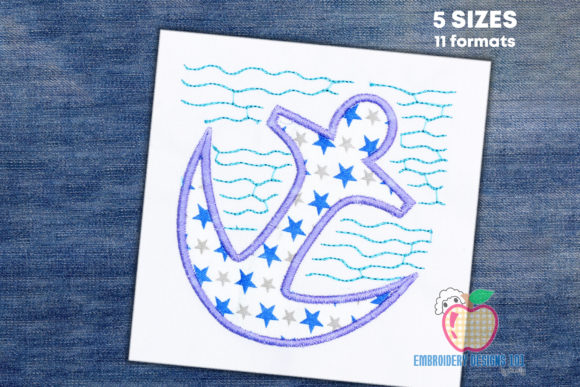
The Anchor Applique captures a classic maritime feel without feeling overly rustic or cartoonish. The anchor shape is well proportioned, with a balanced curve on the flukes and a clean ring at the top. This machine embroidery design uses applique as the primary construction method, meaning the main shape is formed by fabric layers rather than dense fill stitches. The steps are separated by color changes, which is exactly what you need for efficient production. The satin stitch border around the applique layers gives the anchor a crisp, finished edge that looks good on everything from a kitchen towel to a structured cap. I found the visual mood to be versatile enough for both unisex apparel and more decorative home goods. It does not scream “novelty” — it reads as intentional, tasteful, and commercially viable.
How Anchor Applique Performs in Real Embroidery Work
I tested the Anchor Applique on several product categories because my shop serves a wide range of clients: custom apparel for local boutiques, personalized gifts for Etsy customers, and small wholesale orders for craft fairs. Here is how it performed across different applications.
Custom Apparel and Sweatshirt Embroidery
On a classic crewneck sweatshirt, the anchor sat beautifully. The applique fabric blended well with the garment because you can choose your own material for the top layer. I used a medium-weight cotton twill in navy, and the satin stitch outline traced the anchor shape cleanly without distortion. The stitch density was appropriate — not so tight that it puckered the sweatshirt fleece, and not so loose that the edges felt unstable. If you are sewing onto stretchy fabric like a sweatshirt or jersey knit, I recommend using a cutaway stabilizer and a light to medium-weight applique fabric. I tested a lightweight poly-cotton blend as well, and the design handled it without shifting. For custom apparel decorators, this design is a reliable choice.
Tote Bag Design and Canvas Products
A tote bag is where applique designs really shine, and the Anchor Applice did not disappoint. I stitched it onto a 10-ounce cotton canvas tote, using a contrasting cream fabric for the anchor shape. The satin stitch coverage was even, and the corners of the anchor flukes remained sharp rather than rounding off. This matters when you are producing tote bag designs for retail — you want the shape to read clearly at a glance. The design held up well after several wash tests, with no fraying or lifted edges. If you are creating handmade products for craft fair tables or Etsy shops, this anchor design gives a polished finish that elevates the perceived value of the bag.
Baby Blankets and Nursery Decor
I also stitched the Anchor Applique onto a soft flannel baby blanket for a nautical-themed nursery gift. Because the design uses applique rather than dense fill, the blanket remained soft and flexible around the embroidered area. The color change steps made it easy to switch thread between the applique tack-down and the satin stitch border. For baby items, I appreciated that the stitch density is moderate — nothing feels overly heavy or scratchy on the back. I used a tear-away stabilizer on the flannel, and the design registered without any distortion. If you sew personalized gifts like baby blankets, pillow covers, or nursery wall hangings, this design is appropriate for lightweight fabrics as long as you stabilize well.
Caps and Curved Surfaces
Testing on a structured baseball cap was my biggest concern. Applique designs on caps can be tricky because the curve of the brim and the dome shape can distort the fabric layer. The Anchor Applique has a compact, centered layout that fits comfortably within a standard 5x7 hoop. On a cap, I used a stiff cutaway stabilizer and a lightweight poly-cotton for the applique fabric. The satin stitch border tracked evenly around the anchor shape, and the design did not distort at the edges of the cap panel. If you are stitching caps, make sure your hoop size accommodates the full design and that your applique fabric is not too thick. This design works well for embroidered patches on caps too, especially if you plan to trim and apply them as sew-on patches.
Aprons, Kitchen Towels, and Home Goods
For kitchen textiles, the Anchor Applique brings a clean, decorative look. I stitched it onto a flour sack towel and a canvas apron. On the towel, the design landed neatly without causing the fabric to pucker. On the apron, the anchor sat at chest level and looked like a boutique piece. If you are selling handmade kitchen gifts or personalized hostess presents, this design gives you a professional look without requiring dense stitching that might feel stiff on lightweight towel fabric. I recommend using a water-soluble stabilizer on top of towels to prevent the satin stitch from sinking into the nap of the fabric.
Practical Considerations for Commercial and Handmade Production
Every experienced embroidery designer knows that a beautiful digital file is only half the equation. The way a machine embroidery design behaves during production determines whether you can scale it for commercial use or keep it in your limited-edition handmade product rotation. Here are the practical details I noted while testing the Anchor Applique.
Small Hoop Sizes and Tiny Details
The Anchor Applique is not a huge design, which is actually a strength for smaller hoops. If you work with a 4x4 hoop, confirm the dimensions on the Creative Fabrica embroidery product page before you download. The design I tested fit comfortably in a 5x7 hoop, and I suspect a scaled version could work in a smaller hoop if the applique fabric is thin enough. The design does not have tiny lettering or extremely fine details that would be difficult to read at a small scale. The anchor shape is clear and bold, which translates well across hoop sizes.
Stitch Density and Fabric Choices
The stitch density of this applique design falls in the moderate range. The satin stitch border is dense enough to create a clean edge but not so dense that it overwhelms the fabric. On dark fabric, I recommend using a light-colored applique fabric or a contrasting thread for the satin stitch to make the anchor pop. I tested it on black canvas with a white applique layer, and the contrast was sharp. On light fabric, a navy or red applique with matching satin stitch gives a classic nautical look. If you are using textured fabric like linen or slub cotton, make sure your applique fabric is smooth so the satin stitch lays flat.
Thread Colors and Color Changes
The design separates steps by color changes, which is standard for applique. You will need at least two thread colors: one for the tack-down stitch that holds the applique fabric in place, and another for the satin stitch border. Some users add a third color for decorative details if the design includes additional stitching inside the anchor. Check the file details on the product page to confirm the exact color change sequence before you start. I recommend stitching a test on scrap fabric first to verify that your thread colors align with the intended look.
Printable Mockups and Listing Photography
If you sell on Etsy or through your own shop, the Anchor Applique is easy to photograph. The clean shape photographs well on a variety of products, and the satin stitch border catches light nicely without looking overly shiny. I created a printable mockup of the design on a tote bag for my product listings, and the anchor remained crisp even at thumbnail size. This helps with buyer trust because customers can see the detail clearly. When you capture photos of your finished product, include a close-up of the applique edge so shoppers appreciate the quality of your handmade work.
Product Value and Buyer Trust
The Anchor Applique adds tangible value to handmade products. An applique design feels substantial — it is not just a flat embroidery, but a layered construction that suggests craftsmanship. When customers see an anchor applique on a tote bag or sweatshirt, they perceive the item as thoughtful and well made. This translates to higher perceived value, better giftability, and stronger customer engagement. For Etsy sellers and boutique owners, this design is a strong addition to your digital embroidery file library because it works across multiple product categories. You can stitch it on a baby blanket, a cap, an apron, a pillow cover, or a patch, and each finished product will carry the same consistent visual quality.
From a brand consistency standpoint, the Anchor Applique is neutral enough to fit a coastal, nautical, or preppy aesthetic without feeling themed to death. You can pair it with other maritime designs or let it stand alone. For craft fair products, this design moves quickly because anchors have broad appeal — they work for men, women, children, and unisex gifts. I have seen similar applique designs sell well as personalized gifts, custom apparel, and home decor items.
Important Embroidery Notes Before You Use This Design
Before you stitch the Anchor Applique on a customer order or a product for your shop, take a few steps to ensure a smooth result. First, test on scrap fabric that matches your intended garment weight. This gives you a chance to check thread color contrast, confirm hoop size, and review stitch density without risking your final fabric. Second, use the correct stabilizer for your fabric type — cutaway for stretchy fabrics, tear-away for stable wovens, and water-soluble topper for towels or textured materials. Third, inspect small details after stitching, especially the satin stitch border around the anchor flukes and ring. If any stitches are skipping or pulling, adjust your tension or re-hoop with fresh stabilizer. Fourth, always check the file details and licensing on the Creative Fabrica product page before using the design for commercial embroidery. Confirm the available machine embroidery design formats, hoop size recommendations, and any usage terms so you are covered for selling finished items.
Final Thoughts on the Anchor Applique
As an embroidery designer who evaluates dozens of digital embroidery files each month, the Anchor Applique stands out as a practical, versatile, and commercially viable design. It performs well on a range of fabrics and product types, from sturdy canvas totes to soft baby blankets. The satin stitch border is clean, the applique steps are logical, and the visual mood is tasteful enough for both personalized gifts and larger production runs. If you are looking for a reliable machine embroidery design to add to your Creative Fabrica embroidery collection, this anchor is worth your time. Just remember to test your materials, confirm your hoop size, and check the product details before you stitch. With those steps in place, the Anchor Applique will deliver finished products that your customers will love and that you will be proud to sell.