Olumo Rock Mountain, Nigeria
When I first opened the Olumo Rock Mountain, Nigeria embroidery file, I was curious how a landmark design would translate into satin stitch and fill stitch. I have tested hundreds of nature and monument designs over the years, and the reality is that not every scenic subject stitches out cleanly on a sweatshirt or tote bag. This one caught my attention because it carries a specific sense of place without feeling like a generic silhouette. After stitching it across several fabric types and project formats, I want to share what worked, what gave me pause, and where I think this machine embroidery design truly shines for small shop owners and handmade product makers.
First Look and the Mood of the Design
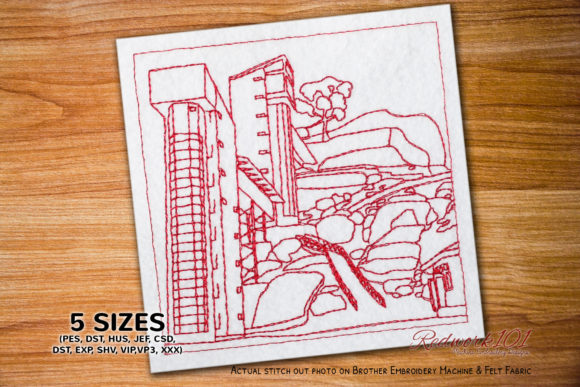
The Olumo Rock Mountain, Nigeria design presents a bold landform profile that reads clearly even at a glance. There is a grounded, earthy feel to the shape. It does not try to cram in too many tiny details, which is a relief for anyone who has wrestled with overly dense embroidery files that turn into thread soup on a cap or baby onesie. The layout gives the mountain room to breathe, and the optional Box Stitch frame adds a tidy border if you want a finished, patch-like look. I appreciated that the outer box color is flexible and can be adapted to the garment or fabric background. That kind of design flexibility matters when you are stitching multiple product variations for a craft fair or an Etsy shop listing.
The visual personality leans toward nature, heritage, and understated pride. It does not scream tourist souvenir. Instead, it feels like something a customer would wear on a custom embroidered sweatshirt or carry on a tote bag because it reminds them of home or a meaningful journey. For an embroidery project, that emotional connection is gold. Buyers want designs that feel personal, not just decorative.
Real Project Scenario: A Custom Tote Bag Run
I decided to test Olumo Rock Mountain, Nigeria on a batch of organic cotton tote bags for a small shop that sells handmade products with African themes. The fabric was medium-weight twill with a slight texture. I used a medium-weight cutaway stabilizer and hooped firmly to avoid shifting. The design stitched out with clean lines, and the fill stitch areas covered evenly without pulling the fabric. The mountain profile held its shape well, and the optional box frame gave the tote a collected, boutique feel.
I showed the finished bag to a few people who often buy personalized gifts and custom apparel. Their first reaction was positive. They liked that the design did not look like a generic clip-art outline. It had enough stitch detail to feel substantial but not so much that it felt fussy. One person said it reminded them of a trip to Nigeria and asked if I could stitch it on a cap. That told me the design had market potential beyond just tote bags. It felt like a product people would actually wear and talk about.
How the Design Performs Across Different Products
After the tote bag test, I tried Olumo Rock Mountain, Nigeria on several other formats to see where it fits best and where it struggles.
Custom Apparel and Sweatshirts
On a medium-weight sweatshirt, the design sat comfortably on the left chest. The stitch density was reasonable and did not make the fabric pucker. The mountain shape translated well at a moderate hoop size. I would avoid very tiny hoop sizes because the details can get cramped. For a back-of-jacket placement, the design could scale up nicely if the embroidery file allows resizing without losing clarity. Always test the scale on scrap fabric before committing to a large garment.
Baby Embroidery and Soft Fabrics
I tested it on a baby bodysuit and a receiving blanket. On lightweight knit fabric, the fill stitch areas required a tear-away stabilizer with a light topping to prevent the stitches from sinking. The design itself is not overly dense, but I would still recommend testing on scrap fabric first. Baby products need softness on the reverse side, so if you plan to sell personalized baby gifts with this design, consider a soft stabilizer and a lightweight thread.
Hats and Curved Surfaces
Hats are a tricky canvas for any embroidery project. The Olumo Rock Mountain, Nigeria design has a horizontal shape that works reasonably well on a cap front, but I would keep the hoop size modest. The optional box frame might add stiffness on a curved surface, so if you stitch it on a cap, try the design without the box first. The mountain profile alone reads well and avoids the distortion that sometimes happens when a border frame fights the curve of a cap.
Patches and Applique Projects
This design has strong potential as an embroidered patch. The solid shape and optional border make it easy to stitch onto felt or twill for a standalone patch that can be ironed or sewn onto backpacks, jackets, or aprons. If you sell finished patches at craft fairs or on Etsy, the Africa theme gives it a distinct niche. Buyers looking for handmade products with cultural significance often appreciate patch designs that feel authentic rather than mass-produced.
Home Decor and Gifts
I also stitched it on a pillow cover and a tea towel. On the pillow cover, the design felt substantial and gave the product a handmade, artisan quality. On a tea towel, the mountain shape worked as a subtle accent rather than a loud graphic. For holiday gifts or wedding gifts, this design could be customized with initials or a date placed discreetly below the mountain, but check the file structure to ensure adding lettering does not crowd the composition.
Where to Use This Design Carefully
No embroidery design is perfect for every surface, and Olumo Rock Mountain, Nigeria has a few considerations worth noting before you commit to a production run.
- Small hoop sizes: If you plan to stitch this on a tiny baby shoe or a small cap, the details may lose clarity. Test at your target size before stitching final products.
- Stretchy fabrics: On ribbed knits or stretchy blends, the fill stitch areas can distort. Use a firm stabilizer and test tension carefully.
- Dark fabric backgrounds: The design relies on shape contrast. If you stitch it on a dark fabric, make sure your thread colors stand out clearly. A black-and-white mockup before stitching helps confirm visibility.
- Layered garments: If you stitch through a thick sweatshirt layer or a lined jacket, the design density may cause the fabric to pucker. Keep the garment layered as it will be worn when you test the hoop.
- Frequent washing items: For tea towels, aprons, or baby blankets that see heavy washing, use a high-quality thread and a stabilizer that holds up to repeated laundering. The optional box frame might fray over time if the stitching is too loose.
Visual Appeal and Customer Perception
From a design review perspective, Olumo Rock Mountain, Nigeria has a straightforward honesty that customers respond to. It does not try to be everything at once. The shape is recognizable as a landmark but also works as a general mountain motif for anyone who loves nature or travel. That dual identity gives it a wider audience without losing its specific roots. For a small shop product, that is a smart balance.
The craftsmanship of the finished embroidery feels professional when stitched with care. The satin stitch edges on the optional box frame need clean tension to avoid gaps, but the main mountain shape is forgiving. I found that using contrasting thread colors for the mountain and the background fabric helped the design pop. If you sell digital embroidery files or finished products online, good thread color contrast in your listing photos and printable mockups will make a big difference in buyer engagement.
Practical Notes for Designers and Small Shop Owners
Before you use this design in any commercial embroidery project, here are the steps I recommend based on my own testing.
- Test on scrap fabric first. Always. No matter how clean the file looks on screen, fabric behavior changes everything.
- Check thread color contrast. Stitch a small sample in black and white thread on a scrap of your target fabric to see if the mountain shape reads clearly.
- Review stitch density. If the file feels heavy in areas, reduce density or switch to a lighter fill stitch. Overly dense areas can cause thread breaks and fabric puckering.
- Confirm hoop size. Make sure your machine can accommodate the design at the size you intend to stitch. Do not assume the file will scale perfectly without distortion.
- Inspect small details. Zoom in on the design in your software. Look for any stray points, overlapping paths, or areas where the satin stitch might lose its definition.
- Test on light and dark backgrounds. The design may need different thread color choices depending on the fabric color. A design that looks great on cream twill may disappear on navy fleece.
- Use proper stabilizer. For medium-weight fabrics, a cutaway stabilizer works best. For lightweight or stretchy fabrics, consider adhesive stabilizer or a lightweight cutaway with a topper.
- Confirm licensing before selling. If you plan to sell finished products or digital files using this design, verify the license terms. Know whether the file covers commercial use, how many items you can produce, and whether you can sell the design as a digital asset. This protects your business and your reputation with customers.
Final Thoughts from the Machine
The Olumo Rock Mountain, Nigeria embroidery file earns a practical recommendation from me for designers who want a clean, nature-inspired design with cultural depth. It works well on tote bags, sweatshirts, hats, patches, pillow covers, and tea towels. It needs thoughtful stabilizer choices and careful thread color selection, but that is true of any machine embroidery design worth stitching.
For Etsy sellers and small shop owners, this design offers a versatile option for custom apparel, handmade products, personalized gifts, and boutique merchandise. It has enough presence to feel special but stays simple enough to stitch efficiently. If you are building a collection of Africa-themed embroidery designs for your craft business or digital product shop, Olumo Rock Mountain, Nigeria gives you a solid foundation to work with. Just test it first, trust your stabilizer, and let the mountain speak for itself.