Flying Witch Embroidery Design: A Hands-On Review
As an embroidery designer who spends a fair amount of time browsing Creative Fabrica for fresh digital embroidery files, I’ve learned to look beyond the polished mockup. I recently downloaded the Flying Witch design to evaluate it for a client’s fall market order of custom tote bags and sweatshirts. Here is my honest breakdown of how this machine embroidery design performs in the real world of handmade production.
First Look: The Mood and Personality of Flying Witch
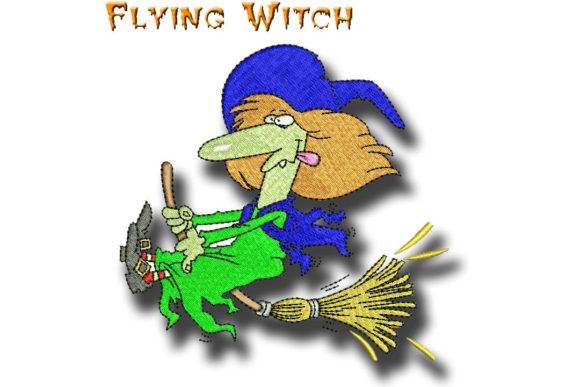
The first thing that struck me about the Flying Witch embroidery file was its clean, playful energy. Illustrated by Ron Leishman via Toonaday, the design avoids the overly detailed or muddy look that can plague some digitized artwork. It has a distinct character that feels both whimsical and slightly vintage, making it suitable for a wider range of custom apparel and handmade product lines than a typical Halloween motif.
When I evaluate a design, I immediately think about its stitching personality. This piece looks like it relies heavily on smooth satin stitch elements and well-defined fill stitch areas. The witch’s silhouette and the flying motion translate well to thread, promising a crisp finish. If you are creating embroidered patches or tote bag designs, a motif with this level of clarity will stitch out reliably without excessive thread breaks or pull compensation issues.
Stitch-Out Expectations and Hoop Size Versatility
The design is listed for a 5x7 hoop, which is a standard, versatile size fitting most home embroidery machines. Before committing to a bulk production run, I always recommend checking the stitch density numbers on the product page. A well-digitized piece in this category should balance coverage with flexibility, allowing the fabric to drape naturally. Because this is an illustration-based design, I would test it on a scrap piece of fabric first to see how the running stitch details map out.
If you plan to use it for sweatshirt embroidery or on a curved cap surface, pay close attention to your stabilizer choice. A medium-weight cut-away stabilizer is usually a safe bet for designs with moderate density, especially when stitching on stretchy or textured fabric. The 5x7 format also gives you flexibility for placement, whether it is centered on a baby blanket, positioned on the chest of an apron, or featured on a pillow cover.
Real Project Applications for the Commercial Embroiderer
This is where the Flying Witch design truly shines for Etsy sellers and boutique owners. I envisioned it on a simple burlap tote bag for a farm stand, and then on a heathered grey sweatshirt for a seasonal launch. The neutral color palette of the line art allows you to customize thread colors extensively. Whether you want a classic black and orange, a trendy pastel goth palette, or a metallic gold on dark fabric, the base illustration supports it.
For apparel decorators, this design offers excellent handmade presentation value. It can be the centerpiece of a personalized gift or a quirky addition to nursery decor. Small business owners will appreciate that it reads well at a distance, making it effective for product photography in Etsy listings. A clean, recognizable design increases buyer trust and perceived value. As a seasonal handmade gift, it has strong emotional appeal without being overly niche.
- Custom Apparel: Sweatshirts, denim jackets, and kid’s tees benefit from the whimsical character.
- Home Goods: Kitchen towels, pillow covers, and aprons become conversation pieces.
- Accessories: Tote bags and caps are ideal for craft fairs and market sales.
- Digital Products: Use the design assets to create printable mockup sets for your shop.
Practical Performance on Diverse Fabrics
Let’s talk about the constraints of real-world commercial embroidery. A design can look perfect in a digital rendering but fail on a kitchen towel. Here is how I broke down the Flying Witch file for practical use across different products:
- Textured Fabric: Terry cloth or linen might absorb the stitch detail. Using a water-soluble topper and a lightweight stabilizer will help the satin stitch pop and maintain its edge.
- Dark Fabric: If the line art is black or dark grey, you will need to ensure high contrast thread or add a white underlay. Always confirm your thread color contrast with a light and dark fabric mockup before production.
- Layered Details: The design features distinct elements. If you are converting this to an applique design, the clean shapes make it an excellent candidate for fabric layering, which can reduce stitch time and add texture.
- Washability: For items that need frequent washing, like aprons or kitchen towels, stitch density matters. A medium-density digital embroidery file will hold up better than an overly dense one and prevent puckering on lighter fabrics.
- Tiny Details: Inspect the smallest elements of the design after your first stitch-out. If you are scaling the design down for a smaller hoop size or a baby item, ensure the fine lines remain readable.
Enhancing Product Value and Buyer Confidence
In the world of handmade products, the design you choose directly impacts how customers perceive your brand. A whimsical, well-stitched machine embroidery design like Flying Witch signals quality and attention to detail. It allows you to maintain brand consistency across different items, from baby items to nursery decor and custom apparel.
For craft fair products, this motif is an eye-catcher. It invites conversation and creates an emotional connection with the buyer. As a creative entrepreneur, you need design assets that translate directly to sales. The clean line work and friendly character ensure high customer engagement. Plus, from a production standpoint, a clean file means fewer thread changes and less machine monitoring, which is crucial when scaling up your finished product output for wholesale orders.
A Designer’s Checklist for Flying Witch
Before you download and stitch this Creative Fabrica embroidery item, here are a few steps to ensure success and protect your investment:
- Confirm File Details: Verify the hoop size (5x7) and that the file format matches your machine’s requirements. Check the stitch count and available formats on the product listing.
- Review Licensing Terms: Always read the license on the Creative Fabrica product page regarding commercial embroidery. Confirm you are allowed to sell finished products made with this design.
- Stitch Out a Test: Run a test on scrap fabric to inspect stitch density, thread breaks, and overall sizing. Adjust your stabilizer or needle if needed.
- Check Placement: Use a printable mockup template to visualize the design on your intended product, whether it is a tote bag design or a sweatshirt embroidery layout.
- Assess Thread Colors: Pull at least three thread colors palettes. Test them on both light and dark fabrics to ensure strong visual contrast.
Final Verdict: Is Flying Witch Worth Your Download?
After mentally walking through the entire production process, from digitizing assessment to the final finished product, I can confidently say that the Flying Witch machine embroidery design offers great potential for the right maker. It fits naturally into the Sewing and Embroidery categories on Creative Fabrica. It is not overly complicated, which makes it a fantastic option for batch production while still retaining a high level of decorative appeal.
For digital product sellers looking to expand their embroidery file library or Etsy sellers needing a reliable seasonal motif, this is a solid, practical asset. Whether you are creating a handmade product for a specific customer order or building inventory for a holiday market, Flying Witch is a playful, commercially viable choice. Download it, test it thoroughly, and let it fly into your production queue.