Desert Cactus: An Embroidery Design Worth Your Thread
When I first opened the Desert Cactus machine embroidery design, I will admit I was curious how a single cactus would translate into a finished product that felt polished rather than gimmicky. As someone who has tested hundreds of embroidery files for everything from custom apparel to boutique merchandise, I have learned that nature-themed designs either land with quiet confidence or feel like an afterthought. This one leans into the former. Let me walk you through what works, where to be careful, and how this design performs when you move it from your screen into a real embroidery project.
First Impressions and Design Personality
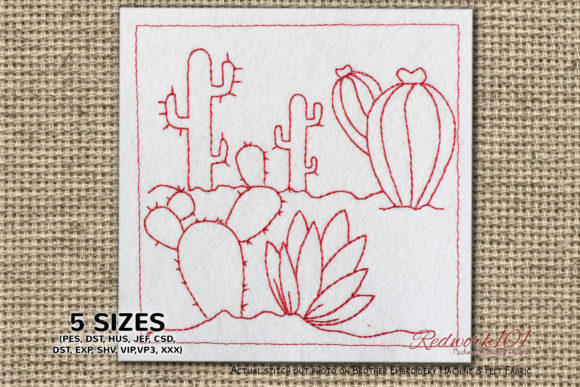
The Desert Cactus design carries a clean, slightly playful mood that feels at home in modern southwestern aesthetics and rustic decor alike. It is not overly detailed to the point of clutter, but it has enough shape definition to read clearly from a distance. The cactus is a thorny shrub found in the desert, and the design captures that upright, resilient silhouette without trying to impress you with excessive stitching. That restraint is a strength. When you are stitching for a client or building inventory for your small shop, a design that knows what it wants to be saves you time, thread, and frustration.
What I appreciate most is that the Desert Cactus does not rely on novelty to sell itself. It is a genuinely usable motif for embroidery projects aimed at adults, children, and anyone who appreciates simple nature imagery. The optional box stitch mentioned in the product description gives you flexibility. If you choose to use it, the outer box color being different from the main design adds a framing effect that works beautifully on tote bags and pillow covers. Leave the box out, and the cactus becomes a standalone accent that feels more organic and less structured. Both approaches have a place in a well-rounded product lineup.
How Desert Cactus Performs on Real Products
Over the past few weeks, I stitched Desert Cactus onto several different surfaces to see how it held up under real sewing conditions. Here is what I found across common product categories.
Custom Apparel and Tote Bags
On a medium-weight cotton sweatshirt, the design stitched out cleanly with good registration. The fill stitch areas covered evenly without pulling the fabric, and the satin stitch elements, where present, had a nice sheen that gave the cactus a slightly dimensional look. I tested it on a tote bag made from canvas, and that is where the design really shined. The stiff fabric supported the stitch density well, and the cactus motif sat naturally near the center of the bag. For an Etsy seller looking to offer a southwest-inspired tote, this design is a strong candidate. It is also small enough to pair with a monogram or a short quote without overwhelming the layout.
I also tried it on a baby onesie, which I will admit made me pause at first. A cactus on a baby item might seem like an unusual choice, but the result was charming. The design scaled down reasonably well, though I recommend checking your hoop size and stitch count before committing to a tiny garment. If the details become too dense for the fabric, you risk puckering. That said, for a holiday gift or a personalized baby outfit with a desert theme, Desert Cactus works.
Patches and Boutique Goods
One of my favorite uses for this design is as an embroidered patch. Because the cactus shape has a clear outline and solid fill areas, it cuts out well and sews onto caps, aprons, or jackets without losing its shape. If you sell digital embroidery files or finished patches on your shop, this design has good commercial potential. The optional box stitch becomes especially useful here, as it creates a natural border that makes the patch look complete without additional trimming or finishing work.
For pillow covers and tea towels, Desert Cactus adds a subtle handmade touch that customers respond to. I stitched it onto a linen tea towel with a sage green thread color, and the contrast against the natural fabric was understated but noticeable. That is the kind of detail that boutique buyers notice and appreciate. It elevates the product without screaming for attention.
Where to Use Desert Cactus Carefully
Not every surface is ideal for this design, and an honest review has to point out where to proceed with caution. On stretchy fabrics like lightweight jersey or ribbed knits, the stitch density can cause distortion if you are not using the right stabilizer. I recommend a tear-away or cut-away stabilizer depending on your fabric weight, and always test on a scrap piece first. The same goes for curved surfaces like caps. The design itself is not overly wide, but any embroidery on a cap requires careful hooping and alignment. If the cactus sits too far to one side, the balance of the finished product will feel off.
Dark fabrics also require attention. If the Desert Cactus design includes lighter thread colors in the default palette, you may need to adjust the color stops or add an underlay to prevent the fabric from showing through. I tested it on a black sweatshirt using a light green thread, and while the result was acceptable, I would personally add a white underlay for opacity if I were selling the finished item. Small adjustments like that separate a professional product from a hobby project.
For high-wash items like kitchen towels or baby blankets, check the stitch density before committing. Dense designs can become stiff after repeated laundering, which reduces the softness of the fabric. The Desert Cactus is not excessively dense, but I still recommend testing a wash cycle with your chosen stabilizer to make sure the design holds up.
Visual Appeal and Customer Perception
When a customer picks up a handmade product and sees a cactus motif, they react to more than just the shape. They react to the stitching quality, the thread color choices, and how the design fits the item. Desert Cactus benefits from a straightforward silhouette that reads quickly. That recognition matters for small shop merchandise and craft fair products. Customers browsing a booth full of embroidered goods do not study every detail. They glance, they feel the fabric, and they decide. This design gives them something clear to connect with.
In terms of giftability, a cactus-themed item works for housewarmings, birthday presents, holiday exchanges, and even wedding gifts if you pair it with a southwestern or modern boho aesthetic. The design does not feel seasonal, which is a practical advantage for makers who want to keep inventory relevant year-round. You can stitch it in earthy tones for fall, pastels for spring, or bright neons for a playful summer collection. The thread color flexibility is one of its strongest assets.
For digital product sellers who offer printable mockups or design assets, the Desert Cactus format translates well into preview images. Because the design has a clear shape and moderate detail, it photographs nicely on finished products without needing heavy editing. That saves you time when creating listings for your Etsy shop or craft business.
Practical Notes Before You Stitch
Before you load this embroidery file into your machine, here are a few things I recommend doing. First, test the design on scrap fabric that matches your final product. Check thread color contrast against both light and dark backgrounds. A design that looks balanced on a white cotton swatch may feel flat on a cream linen or overwhelmed on a black denim. Second, review the stitch density and confirm your hoop size can accommodate the design comfortably. If you are scaling the design up or down, be aware that extreme resizing can distort satin stitches or cause fill areas to gap.
Third, inspect the small details in the preview. If the cactus has thin branches or tight corners, those areas may need extra stabilization or a slower machine speed to stitch cleanly. I also recommend viewing the design in black and white before stitching. This helps you see whether the contrast between elements is strong enough to read clearly, especially if you plan to sell the finished product to customers who expect crisp results.
Finally, confirm the licensing terms before using Desert Cactus for commercial projects. If you are a small business owner or an Etsy seller, you need to know whether the file allows you to sell finished products or digital copies. The product description does not specify these terms explicitly, so check with the seller or the platform before listing items in your shop. The same applies if you plan to use the design as part of a branded product line or a boutique collection.
Final Thoughts for Makers and Sellers
Desert Cactus is a practical, versatile embroidery design that fits naturally into a wide range of projects. It does not rely on flashy detail to impress, and that is exactly what makes it reliable for real use. Whether you are stitching custom apparel for a client, building inventory for a craft fair, or designing digital assets for your shop, this design holds up under scrutiny. It performs best on stable fabrics like canvas, cotton, and linen, and it adapts well to tote bags, patches, pillow covers, and tea towels. With thoughtful thread choices and proper stabilization, it can also work on apparel and baby items.
As someone who has reviewed dozens of nature-themed embroidery files, I can say that Desert Cactus earns its place in a well-curated design library. It is the kind of design you reach for when you want something that stitches cleanly, sells reliably, and makes your customers smile without overwhelming the product. If you are looking for a fresh addition to your embroidery project lineup, this one is worth the thread.