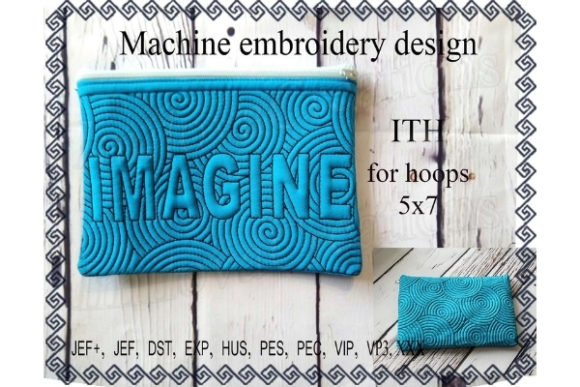
Cosmetic Bag in the Hoop – Imagine
Setting up a craft fair booth means making every inch of your table work hard for attention. I have been stitching and selling machine embroidery designs long enough to know which designs stop shoppers mid-stride and which ones blend into the background. When I first loaded the Cosmetic Bag in the Hoop – Imagine onto my machine, I immediately recognized its potential as a versatile, gift-ready product that fits naturally into a handmade market display. Let me walk you through my real-world review of this design from the perspective of someone who tests every embroidery file before it reaches a customer’s hands.
First Impressions at the Booth
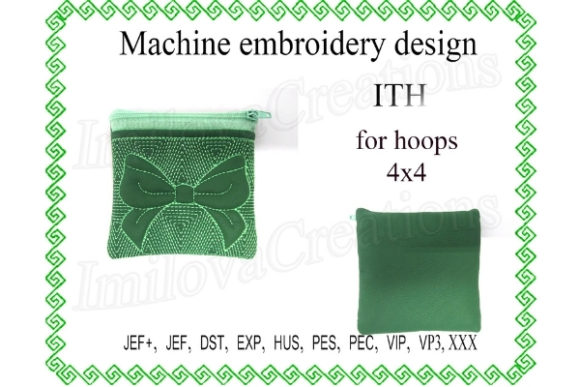
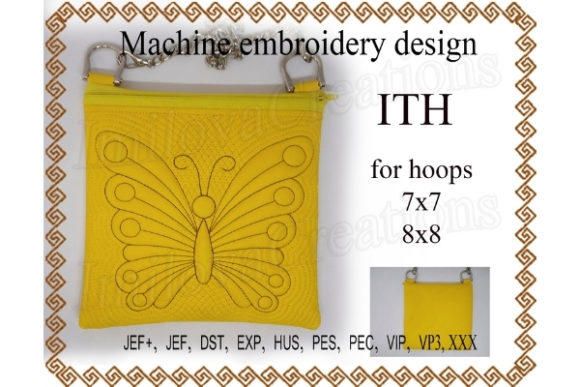
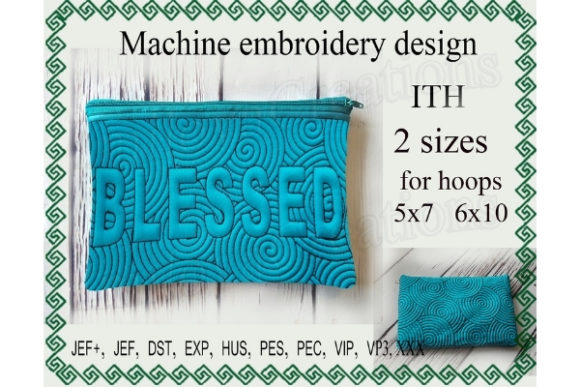
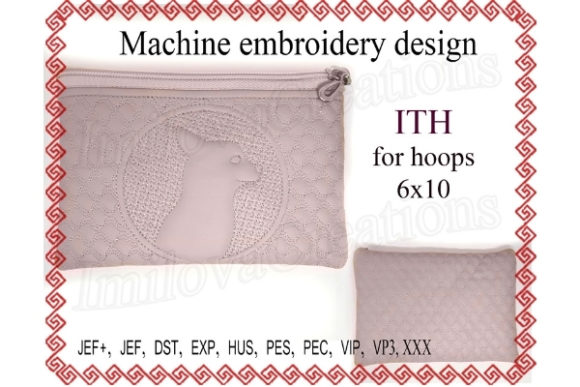
The Cosmetic Bag in the Hoop – Imagine lands with a soft, modern, and slightly whimsical feel. It is not loud or overly decorative. The mood leans toward elegant minimalism with a touch of farmhouse charm. That is a sweet spot for craft fair products because it appeals to buyers looking for a refined handmade gift without feeling too rustic or too formal. When I placed a stitched sample on my booth table next to embroidered tote bags and tea towels, the design held its own. It invited shoppers to pick it up and inspect the stitching, which is exactly what you want from a handmade product.
The design reads clearly at a glance. There is no confusion about what the motif represents or where it sits on the finished item. That clarity matters when a potential customer is scanning your booth from three feet away. If they cannot understand your machine embroidery design in two seconds, they will move on. This one passes that test.
How It Performs on Different Products
I always test a new embroidery file across several product types before committing to batch production. Here is how the Cosmetic Bag in the Hoop – Imagine performed on the items I typically bring to a weekend market.
Tote Bags and Market Bags
On a sturdy canvas tote, this design sat beautifully as a center-front focal piece. The proportions worked well for a medium-sized bag. I would not call it a large focal design, but it definitely does not get lost. For a tote bag design, it offers just enough visual weight to feel intentional. I recommend testing it on both natural cotton and blended canvas to see how the thread colors settle into the fabric texture.
Apron Embroidery
Aprons are a staple at my booth, and the Cosmetic Bag in the Hoop – Imagine translated well onto a bib apron pocket area. It sat flat and did not pull or pucker when stitched on mid-weight cotton. For apron embroidery, this design works best as a chest-level accent rather than a full-front statement. Shoppers who buy handmade aprons often look for something pretty but not overwhelming, and this design fits that expectation.
Tea Towel Embroidery
Tea towels are one of my best-selling craft fair products, and I was curious how this design would perform on linen and cotton blends. The stitching held up well on a standard tea towel, though I recommend using a medium-weight tear-away stabilizer to keep the fabric from stretching. The design added a thoughtful touch that elevates a simple towel into a handmade gift. Customers browsing my booth immediately noticed the embroidered towel and asked if it was available in other colors.
Embroidered Patches
I also stitched this design as a standalone embroidered patch. Because the motif is self-contained and not overly dense, it worked well on patch material. I used a cut-away stabilizer and trimmed close to the stitching. The result was a patch that can be ironed onto bags, jackets, or pouches. That opens up an extra revenue stream at your booth. Patches are easy to stock, quick to produce, and appeal to customers who want to personalize their own items.
Pillow Covers and Fabric Pouches
On a small zippered pouch or a decorative pillow cover, the Cosmetic Bag in the Hoop – Imagine maintained its clarity. I did notice that on very thick fabrics like upholstery-weight cotton, the stitch density needed a small adjustment. If you plan to stitch this design on heavy materials, run a test first and check the hoop size you are using. For standard quilting cotton or home decor weight, it performs without issue.
Practical Selling and Production Points
From a production standpoint, the Cosmetic Bag in the Hoop – Imagine is a solid choice for batch work. It does not have tiny details that force you to slow down or rethread constantly. That means you can stitch multiple units in a row without babysitting the machine. For any small shop product, repeatability is key. If a design requires constant attention, it is not a good fit for a seller who needs twenty units by Friday.
The design photographs well for online listings. I set up a simple flat lay with natural light, and the stitch detail was visible without needing to zoom in. That is a huge advantage for Etsy sellers and anyone selling digital embroidery file listings. A clear photo of the finished product helps customers imagine the design on their own project. I also created a printable mockup using a photograph of the stitched sample on a neutral background. That mockup became my primary listing image, and it performed well in search results.
For booth display, I recommend stitching one sample on a cosmetic bag and placing it near eye level. Pair it with a second sample on a tote or towel to show versatility. Customers appreciate seeing how one design assets can transform multiple product types. That visual cross-promotion often leads to add-on sales.
Careful-Use Notes from the Studio
No review is complete without honest cautions. I always tell fellow embroiderers to test a new machine embroidery design on scrap fabric before committing to a production run. Here are the specific areas I flagged while testing the Cosmetic Bag in the Hoop – Imagine.
- Dense stitch areas – Some sections of the motif pack in more stitches than others. If your machine runs hot or tends to skip stitches on dense fills, reduce your speed slightly and use a fresh needle. I switched to a 75/11 sharp needle and saw cleaner results.
- Tiny details and small lettering – If this design includes any fine lines or small text, check that they stitch clearly at your chosen size. On textured fabrics like linen or thick cotton, small elements can blur. I recommend testing on the exact fabric you plan to sell before stitching a batch.
- Dark fabric – When stitching on dark backgrounds, ensure your thread colors have enough contrast. I tested on navy and black fabrics, and lighter thread shades popped well. Darker thread blends may disappear. Always check your thread colors against your base fabric.
- Curved cap surfaces – If you intend to stitch this on caps, be aware that curved surfaces can distort a design that is not meant for three-dimensional hooping. I would not recommend this design for cap embroidery unless you use a specialty cap hoop and test thoroughly.
- Tea towel texture – Looser weave towels can cause sinking stitches. Use a topper or lightweight cut-away stabilizer to keep the design crisp. I had one test on a rough linen towel where the stitches pulled slightly. A layer of water-soluble topping solved it.
Visual Appeal and Customer Attention
The Cosmetic Bag in the Hoop – Imagine creates what I call a "pick-up moment." When a shopper sees a well-stitched cosmetic bag on your table, they want to touch it. That tactile engagement is gold at a craft fair. The design gives the product a handmade quality that feels premium without being fussy. It communicates care and attention to detail, which directly supports your brand consistency across all your booth items.
I also noticed that the design prompted questions about the embroidery process itself. Several customers asked if I made the design or bought the file. That is a sign that your finished product looks professional enough to spark curiosity. If you sell commercial embroidery services or digital embroidery file listings, having a physically stitched sample on your table builds trust with potential buyers.
Practical Embroidery Designer Notes
Before you load this design into your machine and start production for your next market, run through this quick checklist based on my own testing process.
- Test on scrap fabric – Use the same material you plan to sell. Do not test on cheap muslin and then switch to premium cotton. The fabric texture changes everything.
- Check thread contrast – Hold your thread spools against your fabric in natural light. If you cannot read the design from arm's length, choose a different thread color.
- Review spacing – Look at the negative space inside the motif. If any areas feel too tight, consider reducing your stitch density in your software or choosing a slightly larger hoop size.
- Confirm hoop size – Make sure the design fits comfortably within your hoop without crowding the edges. Crowded hooping leads to needle breaks and uneven tension.
- Inspect stitch density – If your machine hesitates or makes a thumping sound during dense passes, reduce speed. High density can also cause fabric puckering on lightweight materials.
- Use the right stabilizer – For cosmetic bags and pouches, I prefer cut-away stabilizer for long-term durability. For tea towels and aprons, tear-away works well if the fabric is stable.
- Create at least one real mockup – Do not rely solely on the digital preview. Stitch one sample, photograph it, and use that image for your printable mockup and online listings.
- Compare fabric colors – The same design looks different on cream, gray, pink, and navy. Stitch a small test on each color you plan to offer.
- Confirm commercial licensing – Before you sell any finished product featuring this design, verify the license terms of your embroidery file. Some files allow unlimited commercial use, while others require a separate license. This step protects your business and your customers.
Final Thoughts for Your Craft Fair Season
The Cosmetic Bag in the Hoop – Imagine is a strong addition to any small shop product lineup. It offers enough visual appeal to draw customers in, enough versatility to appear on multiple product types, and enough production efficiency to support batch sewing. Whether you are an Etsy seller building your digital catalog or a booth owner preparing for a weekend market, this design earns its place in your rotation.
Stitch it on a cosmetic bag for a quick-sell gift item. Add it to a tote or apron for a higher-ticket product. Use it as a patch for an impulse buy. And always keep a stitched sample on your table to spark conversations about your design assets and custom work. The best craft fair products are the ones that make people stop, look, and ask questions. The Cosmetic Bag in the Hoop – Imagine does exactly that.