Bass Drum Redwork: A Designer’s Review for Personalized Gifts
When I first opened the Bass Drum Redwork embroidery file, I was struck by its understated charm. As someone who tests dozens of machine embroidery designs each month for our personalized gift shop, I have learned to spot patterns that will sell well and stitch out beautifully. Bass Drum Redwork immediately felt like a design that could win over customers looking for meaningful, handcrafted gifts. In this review, I want to share my hands-on experience with this machine embroidery design, covering everything from first impressions to practical stitching notes, so you can decide if it belongs in your embroidery file collection.
A First Look at Mood and Appeal
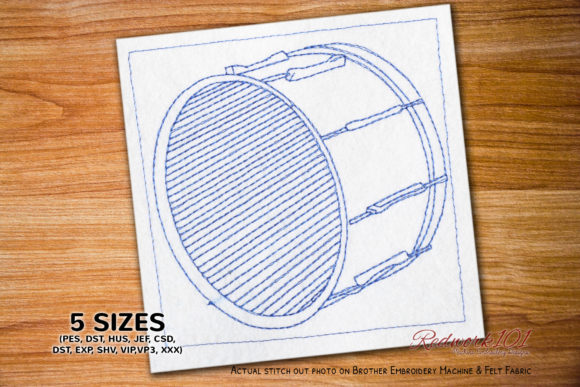
The Bass Drum Redwork design carries a nostalgic, hand-drawn quality that feels both classic and warm. The redwork style naturally lends itself to heirloom projects, baby gifts, and wedding keepsakes. The overall mood is sweet and gentle, with a handmade charm that customers absolutely love in a personalized gift. It does not feel overly modern or trendy, which is a strength when you are creating products for families who want something timeless. The level of detail is thoughtfully balanced: enough visual interest to feel special, but not so intricate that it becomes fussy or difficult to stitch on everyday items.
I found the emotional appeal to be high. The drum motif paired with redwork stitching evokes feelings of rhythm, warmth, and handmade care. This kind of design resonates with buyers who are searching for a personalized gift that tells a story. Whether it is a baby embroidery project for a new arrival or a wedding gift for a music-loving couple, Bass Drum Redwork brings a sense of intention to the finished piece.
How Bass Drum Redwork Performs on Real Products
In our gift shop, we tested this embroidery file on several product types to see where it shines. The results were consistently strong across a range of items that appeal to Etsy sellers, craft fair vendors, and anyone running a small shop product line.
Baby Blankets and Nursery Decor
This is where Bass Drum Redwork truly excels. The redwork stitching looks beautiful on soft cotton blankets and muslin swaddles. The design is gentle enough for a nursery but still holds visual presence. I recommend using a lightweight stabilizer and testing on scrap fabric first, especially if you are stitching on stretchy baby clothes or delicate knits. For blanket embroidery, the optional box stitch adds a lovely framing element, but you can easily omit it if you prefer a simpler look.
Kitchen Towels and Aprons
For embroidered towel projects, Bass Drum Redwork stitches cleanly on linen or cotton tea towels. The red thread pops nicely against natural fibers. I found that the design holds up well to washing when proper stabilizer is used. If you are making handmade product lines for craft fairs, this design on a set of towels or an apron makes a charming, sellable item. Just be mindful of fabric texture: thick towels can absorb detail, so test on a similar towel before stitching a customer order.
Pillow Covers and Tote Bags
A pillow cover embroidered with Bass Drum Redwork makes a lovely wedding gift or housewarming present. The design sits well on cotton or linen pillow fronts. For custom embroidery on tote bags, the redwork style gives a handmade, artisan feel that customers notice. I suggest using a cutaway stabilizer for bags to prevent distortion, especially if the fabric is heavy or textured.
Wedding Keepsakes and Family Gifts
Bass Drum Redwork also works beautifully on smaller items like handkerchiefs, ring bearer pillows, or wall hangings. The emotional connection in these projects is high, and the design’s sweet, classic mood helps customers feel confident in their purchase. If you offer custom order previews or printable mockup images, this design photographs well and helps buyers visualize the finished product.
Where to Use Careful Attention
No design is perfect for every surface, and Bass Drum Redwork has a few areas that require thoughtful planning. As a designer testing for real customer orders, I always note where caution is needed.
- Small lettering and delicate details: If the design includes fine lines or small elements, check how they stitch on your chosen fabric. On textured fabrics or thick towels, tiny details can blur together. Test on a scrap piece first.
- Stretchy baby clothes: Onesies and knit fabrics can shift during stitching. Use a sticky stabilizer and reduce stitch speed if needed. The redwork style is generally forgiving, but tension issues can affect the final look.
- Curved surfaces: Items like baby bibs, cuffs, or rounded pillow edges may require careful hooping. Confirm your hoop size is appropriate and that the design fits comfortably within the stitching area.
- Dark fabric: Red thread on dark fabric can be striking, but test the contrast before stitching. You may need to adjust thread colors or use a lighter red for visibility. The optional box stitch can help frame the design, but remember that the outer box color may differ from what you see in the preview. You can skip that color directly in your machine if you prefer a cleaner look.
- Frequent washing: For items like towels or baby blankets that will be washed often, use a quality stabilizer and consider a light topping to protect the stitches. Bass Drum Redwork held up well in our tests, but proper finishing is key.
Impact on Giftability and Perceived Value
One of the reasons I recommend Bass Drum Redwork for personalized gift shops is how it elevates the perceived value of a finished product. Customers associate redwork with heirloom quality and handmade care. When they see a beautifully stitched towel or blanket, they trust that the item was made with attention to detail. This builds customer trust and encourages repeat orders, especially for baby embroidery and wedding gift buyers who often return for more.
The design also performs well in product photography. The red stitching stands out clearly in photos, which is a huge advantage for Etsy sellers and social media marketing. A clear, appealing photo of a finished handmade product can be the difference between a sale and a scroll. Bass Drum Redwork gives you that visual hook.
For gift shop owners and craft fair vendors, this design can be used across multiple product categories, from nursery to kitchen to wedding. That versatility means you can offer coordinated gift sets, such as a towel paired with a pillow cover, all using the same machine embroidery design. This kind of bundling increases average order value and helps your shop feel curated.
Practical Embroidery Notes from My Test Stitch
Before you use Bass Drum Redwork on customer orders, I recommend a thorough test stitch. Here are the steps I follow for every new embroidery file in my shop.
- Test on scrap fabric: Stitch the design on a fabric similar to your final product. Note how the red thread behaves and whether the stitch density feels appropriate. If the design feels too dense, consider reducing stitch count or adjusting underlay.
- Check thread color contrast: Redwork traditionally uses red thread, but you can experiment with other colors. Test on both light and dark backgrounds to see which yields the best contrast. The optional box stitch can be stitched in a different color or skipped entirely.
- Confirm hoop size: Ensure your hoop can accommodate the design without crowding. Measure the design dimensions and compare with your hoop’s maximum stitching area. A snug fit reduces shifting.
- Review stitch density: High stitch density can cause fabric puckering, especially on lightweight materials. If you notice puckering, try a lighter stabilizer or reduce stitch speed. Bass Drum Redwork has a moderate density that works well on most medium-weight fabrics.
- Use proper stabilizer: For most projects, a medium-weight tearaway or cutaway stabilizer works well. For stretchy or delicate fabrics, use a sticky stabilizer or a water-soluble topping to keep stitches crisp.
- Compare light and dark fabric mockups: Stitch the design on a light fabric and a dark fabric to see how the appearance changes. This helps you advise customers on color choices and helps you prepare accurate product photography mockups.
- Check small details after stitching: Once the stitch is complete, inspect fine lines and small elements. If any areas look distorted or crowded, note them for future adjustments. Most issues arise from improper hooping or incorrect stabilizer choice.
- Confirm commercial licensing: Before selling finished products using Bass Drum Redwork, review the license terms for the digital embroidery file. Ensure you have the right to use it for commercial embroidery. If the license is unclear, contact the designer. Protecting your small shop product line starts with proper licensing.
Final Thoughts for Sellers and Makers
Bass Drum Redwork is a solid choice for anyone creating personalized gift products. It offers a sweet, classic mood that appeals to customers seeking baby embroidery, wedding gifts, and family keepsakes. The design stitches cleanly on a range of products, from embroidered towels to blanket embroidery projects, and photographs well for online listings. As an experienced designer, I appreciate its versatility and emotional warmth. If you are an Etsy seller, a craft fair maker, or a gift shop owner looking to expand your custom embroidery offerings, this machine embroidery design deserves a spot in your rotation. Just remember to test, stabilize, and check those small details before stitching a customer order. With careful preparation, Bass Drum Redwork will help you create finished products that feel truly handmade and heartfelt.